Archives 2024

Why? किन?

Global Handwashing Partnership is asking “Why are clean hands still important?” विश्वव्यापी हात धुने साझेदारीले सोधिरहेको छ “किन सफा हातहरू अझै महत्त्वपूर्ण छन्?”

A “why” question is used to inquire about the cause, reason, or purpose of something. It seeks to uncover the underlying motivations, intentions, or logic behind a particular situation or behavior. For example, asking “Why did you choose this project?” aims to understand the reasons behind the decision. कुनै कुराको कारण, कारण वा उद्देश्यको बारेमा सोधपुछ गर्न “किन” प्रश्न प्रयोग गरिन्छ।यसले कुनै विशेष परिस्थिति वा व्यवहारको पछाडि अन्तर्निहित प्रेरणा, मनसाय वा तर्कलाई उजागर गर्न खोज्छ। उदाहरणका लागि, “तपाईंले यो परियोजना किन रोज्नुभयो?” निर्णयको पछाडि कारणहरू बुझ्ने लक्ष्य राख्छ।

“Why” questions are essential because they promote critical thinking, curiosity, and problem-solving. They help build connections, foster meaningful conversations, and gain deeper insights into various topics. “किन” प्रश्नहरू आवश्यक छन् किनभने तिनीहरूले आलोचनात्मक सोच, जिज्ञासा र समस्या समाधानलाई बढावा दिन्छ।तिनीहरूले जडानहरू निर्माण गर्न, अर्थपूर्ण वार्तालापहरूलाई प्रोत्साहन गर्न र विभिन्न शीर्षकहरूमा गहिरो अन्तरदृष्टि प्राप्त गर्न मद्दत गर्छन्।

Clean hands remain a fundamental defense against the spread of infections, illnesses, and harmful germs. Whether in hospitals, schools, or everyday interactions, practicing handwashing with soap contributes to better health outcomes and a safer world for everyone. As the world shifts beyond these recent years, we are asking a critical question, Why are clean hands still important? The answer lies in our collective responsibility to safeguard public health, prevent infections, and promote wellbeing. सफा हातहरू संक्रमण, रोगहरू र हानिकारक कीटाणुहरूको फैलावट विरुद्धको आधारभूत सुरक्षा हो। अस्पताल, विद्यालय वा दैनिक अन्तरक्रियामा, साबुन पानीले हात धुने अभ्यासले राम्रो स्वास्थ्य परिणाम र सबैका लागि सुरक्षित संसारमा योगदान पुर्‍याउँछ। हालैका वर्षहरूमा संसार परिवर्तन हुँदै जाँदा, हामी एउटा महत्वपूर्ण प्रश्न सोधिरहेका छौं, किन सफा हातहरू अझै महत्त्वपूर्ण छन्? जवाफ सार्वजनिक स्वास्थ्यको सुरक्षा, संक्रमण रोक्न, र कल्याण प्रवर्द्धन गर्ने हाम्रो सामूहिक जिम्मेवारीमा निहित छ।

Loading

The similarities between cottage industries and grassroots community-based NGOs (GCB-NGOs)

The main idea is to see the GCB-NGOs to be a possible agent for change.

Definition: Cottage industries and GCB-NGOs share similarities in their (1.) localized focus, (2.) community-driven initiatives, and (3.) their role in empowering local populations by addressing specific needs and fostering economic and social development.

Consequently, Console Mission Nepal (CoMiNp), building upon its past methodologies and enhancing its operational approaches, has seen a gradual but noticeable impact over the last five years, including the period of the pandemic starting from 2018. The community, encompassing children, parents, local authorities, and school teachers, has been responsive to CoMiNp’s initiatives. These initiatives primarily support girls in pursuing their formal education, serving as a preventive measure against unforeseen calamities such as human trafficking.

Through an initiative known as Our Study Place, CoMiNp has had the opportunity to contribute to a larger project within the rural community. (2022, Bagmati Rural Municipality)
Events such as International Women’s Day are not expensive and, with minimal expenses, help participants understand their significance and look to the future. (2019, CoMiNp office roof)
Sumitra, who is 16 years old and was born in December 2008, has completed her schooling and is now looking into higher education opportunities. With the assistance of a volunteer, CoMiNp has applied for a scholarship on her behalf. Since she lives in an urban area, her educational expenses are beyond her parents’ financial capabilities. However, CoMiNp will continue to guide her like local parents. She also engages in peer group learning sessions, which are organized by a volunteer from the management team. These sessions take place in a space provided by a local woman who supports education both during and after school hours. Presently, CoMiNp has rented a room where around 25 children meet daily after school to focus on their academic work.

Loading

A Reflection on Nepal’s Health Services

This article draws on experiences from interactions at five Health Posts in the rural and urban areas of Nepal.

Health Posts are a public health service provided by the Ministry of Health, available not just in rural areas but also in urban settings. Each Health Post features Female Community Health Volunteers (FCHVs). The paid staff, led by either a staff nurse or a Health Assistant, are in charge. The actual staffing may vary from the official records, reflecting the reality on the ground. Nurses who began their training after completing the eighth grade can be found, and historically, individuals with only primary education have held positions in government offices. In 2018, at a Health Post located approximately two hours from Dilasha Aviyan in the same district, the in-charge was a female staff nurse with a three-year course and a proficiency certificate. There were also Auxiliary Nursing Midwifery (ANM) staff, helpers, and interns from public health colleges. Political dynamics influence not only Health Posts but all sectors, with changes in ministers potentially leading to significant shifts in human resources. Consequently, employees in health, education, and other sectors are often more concerned about these changes than service delivery. The current scenario indicates that the intended management systems, human resource management, and service delivery have not been effectively executed. Since 2017, DiAv has noted that the services offered by Health Posts, particularly disease prevention for Soil-Transmitted Diseases (STH) in rural regions, along with psychosocial training for urban health volunteers, might be exactly what is necessary. And, it is clear that Health Posts are in need of support from NGOs. DiAv’s associates have observed the effectiveness of Health Posts, especially in disease prevention. However, over the past decade, issues have arisen that compromise the efficacy of public services. Consequently, beneficiaries and service recipients bear significant responsibility for addressing their needs. Although local governments and ward offices are not immune to political influence, it appears to have a lesser impact. Despite capacity challenges, it is essential for people to voice their concerns, and NGOs must play a pivotal role.

NGOs are composed of academically qualified and experienced individuals, recruited based on their competencies. Additionally, NGOs have the capacity to identify and cultivate potential human resources within the community.

On one occasion, Dilasha Aviyan conducted a survey. A question that garnered the attention of the locals was “What is your first preference for a health checkup?” The prevalent answer was visiting an urban hospital. Despite Health Posts being in existence for over three decades, they have not improved as expected. Consequently, DiAv’s principle is to introduce innovative ideas that operate independently of the government system and are unaffected by political fluctuations.

Each ward possesses Health Posts staffed by female volunteers without medical backgrounds. DiAv has embarked on enhancing their capabilities, rapidly transitioning from providing health and management training to supporting elderly care homes and the community, particularly the female volunteers. This effort is bolstered by the involvement of the youth, which promises to be effective in multiple ways.

    1. Volunteers will receive assistance since understanding medical terminology requires literacy, such as knowing the expiry date of medications.
    2. Young volunteers, students from grade 8 and above who are currently enrolled in school, will comprehend the health situation. It is possible, drawing from DiAv’s experiences, that these students will persist with their education. However, there is uncertainty as children may discontinue schooling at any time, especially in rural and remote urban communities where government and NGO presence is minimal. Additionally, political instability is adversely affecting people across Nepal.

Loading

Activities of OSP

When student volunteers discovered the licensing requirements for teachers, their volunteering approach changed. They were surprised to learn that their teachers were licensed. These volunteers, from grades 8, 9, and 10, were emulating teachers by using red pens and even mimicking disciplinary methods such as using a stick, a practice observed from teachers (explaining more about child safeguarding will be another topic). A safeguarding policy was introduced to address this. The expectation of the Console Mission (CoMi) is that by volunteering in peer group studies, the students’ knowledge and focus on their own studies would improve. This expectation was met, and CoMi anticipated that even without external help, the volunteers would excel if they made an extra effort and concentrated. The Our Study Place (OSP) has been a proven project and is now considered an initiative by CoMi.

The OSP’s impact was presented to the chairpersons of 18 wards and 3 municipalities on June 11, 2023. They received a booklet to aid in OSP’s implementation during an interaction program. However, the interaction proved to be insufficient. The ward representatives, chosen for their educational qualifications, inquired about salaries, and it was explained that OSP requires collaboration between the local government and CoMi. To set a precedent, CoMi has initiated OSP in two villages, Chaughare and Ghurdum, which are among the 18 wards. The goal is to expand to the remaining 16 wards within the next three years. These 18 wards encompass over 540 villages, with a population of more than 3410 children under the age of 18, and a total of 6820 households according to the Nepal Census of 2021.

Another feature of OSP is its simplicity to start; for instance, an 11th-grade student began an OSP initiative after a brief 15-minute introduction to its educational significance.

  • The OSP initiative is designed to support both students and teachers. In Nepal, the weather and natural disasters pose significant challenges, particularly in the mountainous, hilly, and plain regions. Teachers often face inconsistent travel times to their workplaces. During the monsoon season, landslides can disrupt travel, compounded by limited transportation options and frequently poor road conditions.
  • In socially and geographically disadvantaged communities, parents often lack the time to spend with their children, struggle to create suitable learning environments, and their own level of education can impact their ability to assist their children’s learning.

Loading

Our Study Place

An environment for less privileged children for learning at home

“Learning is not attained on chance; it must be sought for with ardor and diligence.”

Abigail Adams

Children are facing:

  1. Time management – the time they have to focus on studying is valuable if they learn to manage it by writing a “timetable” work, based on CoMi’s experiences (a boy failed in class 8 was called at CoMi’s office during pandemic when lockdown was shortly lifted, he traveled from a village called Bulakhichawor, 1 hour of walk and about 3 hours of travel by bus on July 14, 2020)
  2. Parents expectation children to help in household’s chores, taking care of livestock and taking care of vegetables in their field.
  3. Almost 100 percent of the population of adults married were married in their teenage. And not completed school’s education and some have never been to school.
  4. The impact is such parents hardly or never visit or attend their children’s programs and activities at school. Teachers are discouraged but have been continuing their work by helping children who are in need of educational materials and school uniforms.

After this teenage boy from the far and village areas of Lalitpur, he got help planning to manage his time. He followed it. And when he revisited on February 15, 2021, though he failed he was continuing in class 9 that happened after his previous visit. He was told to ask his school about the situation that he was facing, taking care of livestock and even cooking food. As his elder sister was studying living at Console Mission’s SMH, he was helping his father. Her mother was not with them. And he also had a younger brother. For more encouragement, he was handed educational materials. Now he has completed his school. But he is facing another challenge.

Video:

After planning to manage time this boy looked happy and fresh to go back his home and focus in his study.

Loading

The concern of your visit

Console Mission (CoMi) is an NGO started following the rules and regulations of the firm registration process. And it is in the hub city of the country. In 2010 the existing similar nature firms were active mostly outside having their head office here in the Lalitpur district and other parts of the Kathmandu valley. Project were geographically outside but when CoMi organised its first hygiene awareness event in 2014, a public awareness on handwashing, it was surprised to find out “the people living in the valley were unknown about how the world has been giving priority for handwashing as the basic but base of personal hygiene”.

console mission – The Global Handwashing Partnership

The Global Handwashing Partnership (GHP)

Now since then and before that people abandoned in the street were rescued and managed at the shelter homes appropriate for them, according to their need and also the availability of place. A random street visit was done every end of the week. And it was figured out that those seen in the street in desperate situations but not fake. Then quickly rescued, following the suggestion of an organisation called Koshish Nepal, mostly girls and women are physically vulnerable. And such cases were quickly rescued. To do that, the Police Authority, Hospitals and the Shelter Home’s volunteers and staff promptly supported. CoMi become an agent to find and encourage or console for quickly rescue.

Hence, becoming a publicly known as “Dilasha”, as a visitor or who concerned the work of CoMi, you become someone welcomed in Nepal. And treated as you expect. However public event, in the valley is stopped, moving to the rural and in the needed communities in urban, CoMi is experiencing the need to re-start.”The value of handwashing was recognised during the pandemic”. And now CoMi is champion in hand hygiene. The problem is the proper way of handwashing and the question over developing habits. Since lack of practical teaching that could be the factor that the link between the progress of habit and when that must be learned did not happen. It is important at our OSP, children learn it.

Please support us directly:

Scanning QR code:

This will link you to our Bank Account.

Bank details: <Name of Bank> Sanima Bank Limited <Account Name> Dilasha Aviyan <Account Number> 014010020000011 <SWIFT> SNMANPKA  <Bank Address> Satdobato, Lalitpur-15, Lalitpur, Nepal

or if you would like to donate at crowdfunding, here is our link:

https://www.globalgiving.org/donate/35960/console-mission/

Loading

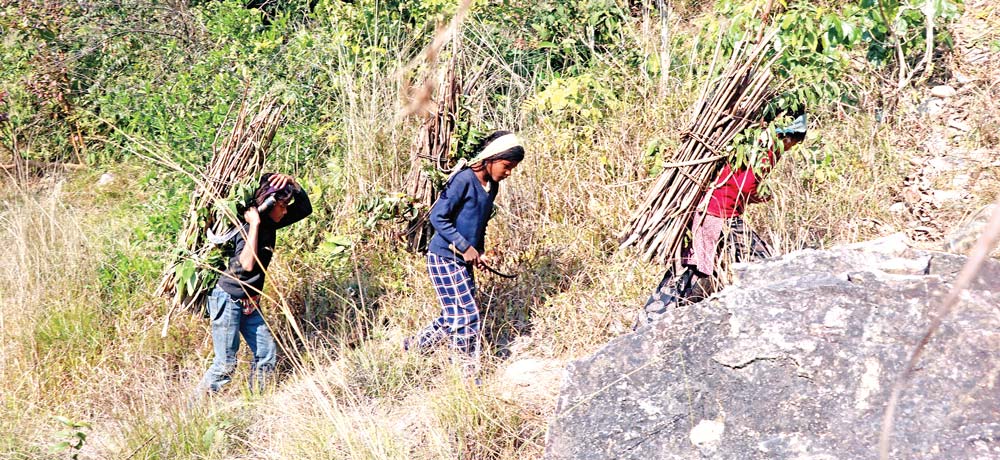
Distance becoming cause of children not going to school दूरीकाे कारण बालबालिका विद्यालय जाँदैनन्

 Based on a latest news published on Feburary 8, 2024 by Gorkhapatra Daily Newspaper माघ २५, २०८० गाेरखापत्र
blog
नेपालकाे एउटा गाउँका बालबालिकाहरूले पर पुग्नु पर्ने विद्यालय जान भन्दा बरू त्याे समयलाइँ घरकाे काम र कमाइहुँने काममा अभिभावकलाइँ सहयाेग गर्ने गरेका छन् ।

 08/02/2024 (२५ माघ २०८०, बिहिबार) by Radhakrishna Dumre राधाकृष्ण डुम्रे

This news and there are several news gives hints that the public school must think, plan and act quickly.

Why can’t school manage to have a hostel partnering with parents. Partnering means, at least they as a parents provide monthly fee based on their social status. So that school could manage a place for the student. किन विद्यालयले अभिभावकसँग साझेदारीमा सही व्यवस्थापन गर्न सक्दैनन् ? साझेदारीको अर्थ, कम्तिमा अभिभावकको रूपमा उनीहरूले आफ्नो सामाजिक स्थितिको आधारमा मासिक शुल्क प्रदान गर्छन्। जसले गर्दा विद्यालयले विद्यार्थीका लागि ठाउँ व्यवस्थापन गर्न सकोस् ।

स्याङ्जाको गल्याङ नगरपालिका–९, कालीगण्डकी नजिकै रहेको माझी बस्तीका बालबालिका विद्यालय जाँदैनन् । विद्यालय जान उनीहरूलाई अभिभावकले प्रेरित पनि गर्दैनन् । यसको एउटै कारण हो घर नजिकै विद्यालय नहुनु ।

Children of Majhi or Fisherman community near Kaligandaki, Galyang Municipality-9, Syangja do not go to school. Parents do not encourage them to go to school. The only reason for this is that there is no school near the house.

छिमेकी गाउँका बालबालिका विद्यालय गइरहँदा यो गाउँका बालबालिकाका हरेक दिन मनोरञ्जन र खेलमा रमाएर बित्ने गरेको छ । विद्यालयको मुख देख्न नपाउनुमा गाउँमा विद्यालय नहुनु हो । उनीहरूलाई पढ्नका लागि कालीगण्डकी नदी तरेर अर्को प्रदेशमा जानुपर्ने बाध्यता छ । यही बाध्यताका कारण अभिभावक आफ्ना बालबालिकालाई पढ्न पठाउँदैनन् । 

While the children of neighboring villages go to school, the children of this village spend their days enjoying entertainment and games. If you can’t see the face of the school, there is no school in the village. They have to cross the Kaligandaki river to go to another province to study. Because of this compulsion, parents do not send their children to study.

स्थानीय श्यामबहादुर माझीले भन्नुभयो, “बस्ती नजिक स्कुल छैन । टाढाको स्कुल पठाउन सकिएन ।” उहाँले गाउँका बालबालिकालाई पढ्नु पर्छ भन्ने सामान्य जानकारी पनि छैन । माझी बस्तीमा १७ घरपरिवार छन् । उनीहरूका १९ जना बालबालिका विद्यालयको पहुँचबाट टाढा छन् । केही बालबालिका भने पढ्नका लागि छिमेकी जिल्ला पाल्पा पुग्ने गरेको स्थानीयको भनाइ छ । पढ्न गएकाहरू पनि तह अनुसारको पढ्ने उमेर नाघेका छन् ।  

Local Shyam Bahadur Majhi said, “There is no school near the settlement. Couldn’t send him to a distant school.” It is not even common knowledge that he should read to the children of the village. There are 17 households in Majhi Basti. 19 of their children are out of reach of school. Locals say that some children go to neighboring district Palpa to study. Even those who went to study have exceeded the reading age according to the level.

माझी समुदायका अधिकांश मानिस पढ्न र लेख्न जान्दैनन् । स्थानीय दिलकुमारी माझीले गाउँमा विद्यालय नभएका कारण आफूहरू शिक्षाबाट वञ्चित हुनुपरेको गुनासो गर्नुभयो । उहाँले विद्यालय नभएका कारण आफूहरू अन्य गाउँको तुलनामा हरेक हिसाबले पछिपरेको बताउनुभयो । उहाँले छोराछोरीलाई विद्यालय पठाउन सहज हुने खालको सचेतना आफ्नो बस्तीमा आवश्यक रहेको बताउँदै भन्नुभयो, “छोराछोरीलाई पाल्पा पठाउन कुनै अप्ठ्यारो थिएन तर यहाँको संस्कार नै यस्तै बनेको छ । छोराछोरी पढाउन एकल प्रयासले हुने अवस्था नै छैन ।” 

Most of the people of the Majhi community do not know how to read and write. Local Dilkumari Majhi complained that they were deprived of education because there was no school in the village. He said that because there is no school, they are behind in every way compared to other villages. He said that there is a need for awareness in his settlement to make it easy for children to go to school and said, “There was no difficulty in sending children to nursery school, but the culture here has become like this.” It is not a situation to educate children with a single effort.

गल्याङ नगरपालिकाले भने माझी समुदायका बालबालिकालाई पढ्ने व्यवस्था गरिएको दाबी गरेको छ । नगरपालिकाका वडा नं. ९ का अध्यक्ष नामदेव खनालले माझी बस्तीबाट आधा घण्टाको दुरीमा विद्यालय रहे पनि विद्यार्थी आफैँ अनुपस्थित रहेको दाबी गर्दै भन्नुभयो, “बालबालिकालाई शिक्षामा अगाडि ल्याउन र विद्यालय जाने वातावरण बनाउन पहल जारी छ ।” 

Galyang Municipality has claimed that provision has been made for the children of the Majhi community to study. Municipal Ward No. Namdev Khanal, the president of 9, claimed that although the school is half an hour away from Majhi Basti, the students themselves are absent and said, “Initiatives are ongoing to bring children forward in education and create an environment for going to school.”

शिक्षा विकास तथा समन्वय एकाइ स्याङ्जाका प्रमुख विश्वराज आचार्यले धेरै विद्यार्थी विद्यालय नजाने आफूहरूलाई जानकारी नरहेको भन्दै यसबारेमा आफूले बुझ्ने र समस्या भएको भए समाधानका लागि पहल गर्ने बताउनुभयो । पठित धेरै भएको जिल्लाका रूपमा स्याङ्जालाई लिइन्छ । स्याङ्जालाई २०७१ सालमा पूर्ण साक्षर जिल्ला घोषणा गरिएको थियो । जिल्लाका ८१.७ प्रतिशत नागरिक साक्षर रहेको २०७८ सालको राष्ट्रिय जनगणनाले देखाएको छ । 

Bishwaraj Acharya, Head of Education Development and Coordination Unit Syangja, said that they do not know that many students do not go to school and said that they understand this and if there is a problem, they will take steps to solve it. Syangja is considered as the most literate district. Syangja was declared fully literate district in 2071. The national census of 2078 has shown that 81.7 percent of the citizens of the district are literate.

Loading

Children were found not going to school (बालबालिकाहरू विद्यालय नगएकाे भेट्टियाे)

Visited to a village called Bulakhichawor / बुलाकिचवर गाउँकाे भ्रमण

Date: 23/01/2024 | २०८० माघ ९

Purpose of visit/ भ्रमण काे उध्यश्यः

  1. To find out the number of school going age children/ विद्यालय जाने उमेरका बालबालिकाकाे संख्या
  2. To find the grade or class of the children/ बालबालिकाकाे कक्षा बारे जानकारी

Looking forward/ अगाडि हेरिने:

  1. To manage study group by setting a local committee of mothers/ एउटा समूह बनाएर पढ्ने समूह तयार गर्ने
  2. Continuation of this initiative/ यस पहल कसरी जारी राख्ने भन्ने बारेमा ध्यान दिने
GradeECD12345678910 StudyingSEE Attended1112Religious study/ out of village
Girl213131112
Boy232121121
2515223221221

Loading