Archives September 2026

From Earthquake Recovery to Flood Resilience: Strengthening Learning Beyond the Classroom in Nepal

The recent floods affecting schools across Nepal remind us that educational disruption extends far beyond damaged classrooms. Children lose routines, confidence, safe learning spaces, and opportunities to grow. Rebuilding schools is essential, but rebuilding the conditions that support learning is equally important.

At Console Mission, our journey in supporting children’s education during and after crises began in 2015 following Nepal’s devastating earthquake.

In rural districts, we reached children with storybooks, colors, arts-based activities, and opportunities for creative expression. These initiatives were designed to help children cope with psychological displacement, rebuild confidence, and reconnect with learning through safe and supportive environments.

Over the years, our experience has taught us that children thrive when learning is supported through three interconnected spaces: home, school, and community.

Our Three Areas of Focus

1. Strengthening Learning at Home

Many children want to learn but lack a suitable environment.

Console Mission works with families to create practical learning spaces within existing household conditions. Through parenting support and consultation, families are encouraged to:

  • Organize a dedicated learning corner
  • Arrange appropriate tables and chairs based on available resources
  • Establish supportive home routines
  • Strengthen positive parental involvement in education

We also facilitate periodic parent gatherings where families share experiences, challenges, and solutions related to children’s education.

2. Supporting Teachers and Strengthening Parent-Teacher Relationships

Teachers remain one of the most important influences in a child’s educational journey.

Console Mission supports teacher professional development through capacity-strengthening opportunities and training programs delivered in coordination with local governments and educational institutions whenever needed.

Equally important is fostering stronger relationships between teachers and parents. Productive communication and mutual trust help create a shared commitment to children’s learning and wellbeing.

3. Building Community Learning Hubs

Education should not depend solely on school hours.

Console Mission promotes community learning hubs and resource centers that utilize local knowledge, local leadership, and local resources to create safe spaces where children can continue learning, reading, collaborating, and growing.

These community-based learning environments strengthen resilience during both ordinary times and emergencies.

Conclusion

Today, as schools affected by floods begin recovery, we believe educational resilience requires more than rebuilding infrastructure.

It requires strong homes, empowered parents, supported teachers, engaged communities, and children who know they are surrounded by people who care about their future.

The lesson we learned after the 2015 earthquake remains relevant today:

Education recovery begins with people, not buildings. Buildings matter, but lasting change happens when homes, schools, and communities work together.
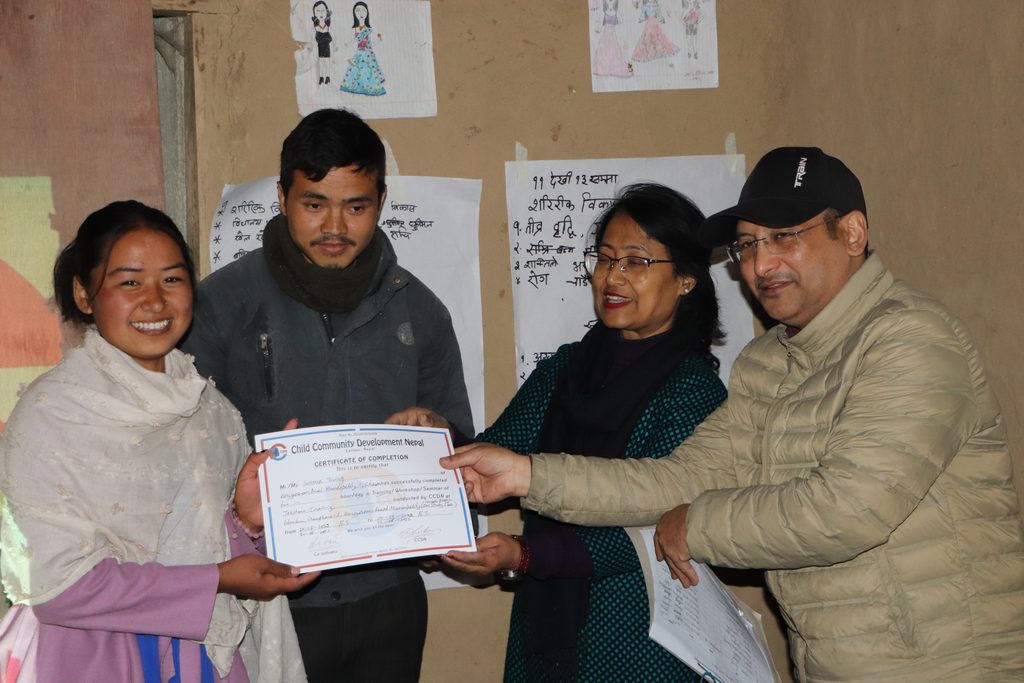
Rural Women Leading Climate Resilience in Nepal

Climate change is reshaping the lives of communities across Nepal. Yet rural and tribal women, who are often among the most affected by environmental challenges, remain underrepresented in climate decision-making processes. Their knowledge, experiences, and leadership potential are frequently overlooked despite their critical role in managing natural resources and supporting community wellbeing.

At Dilasha Aviyan, we believe that lasting climate solutions must be built with women at the center. By strengthening leadership, economic resilience, and policy influence, we are working to ensure that rural and tribal women become powerful drivers of climate action and sustainable development.

Why This Matters

Women in rural and tribal communities face multiple challenges:

  • Limited representation in climate governance and policymaking
  • Greater vulnerability to climate-related disasters and environmental degradation
  • Economic insecurity linked to climate-sensitive livelihoods
  • Insufficient access to resources, funding, and social protection mechanisms

Without meaningful participation from women, climate policies and adaptation efforts risk leaving behind those most affected by environmental change.

Our Strategy for Change

Our initiative adopts a holistic approach that combines leadership development, economic empowerment, community resilience, and policy advocacy.

Strengthening Women’s Leadership

We provide training and mentorship that equip women with the skills and confidence needed to participate in climate governance, advocate for their communities, and influence policy decisions.

Building Sustainable Livelihoods

Through climate-resilient livelihood opportunities and cooperative-led enterprises, women can reduce dependency on vulnerable ecosystems while strengthening household income and economic security.

Promoting Gender-Responsive Climate Investment

We advocate for gender-responsive budgeting and inclusive resource allocation to ensure that climate adaptation investments address the unique needs and priorities of women.

Enhancing Protection and Inclusion

Legal and social protection mechanisms are promoted to reduce gender-based risks and strengthen women’s ability to participate safely and effectively in climate action.

Key Activities

Our work focuses on:

  • Establishing grassroots climate policy forums led by rural and tribal women
  • Supporting community-led forestry, agriculture, and natural resource management initiatives
  • Creating dialogue platforms between women leaders and policymakers
  • Developing cooperative-based climate enterprises that strengthen economic resilience

Expected Impact

Through these efforts, we aim to achieve:

Greater Representation

More women actively participating in climate governance at local, provincial, and national levels.

Stronger Community Resilience

Wider adoption of climate-smart practices that protect livelihoods, ecosystems, and future generations.

Increased Access to Resources

Expanded funding opportunities and support for women-led sustainability initiatives.

Influential Women’s Voices

Stronger integration of women’s priorities and experiences within climate policies and adaptation frameworks.

Our Vision

We envision a future where:

  • Women-led climate governance is embedded in local and national institutions.
  • Rural and tribal women enjoy greater financial independence and leadership opportunities.
  • Communities are more resilient, equitable, and environmentally sustainable.
  • National climate policies reflect the voices, expertise, and aspirations of women on the frontlines of climate change.

Joining Hands for a Sustainable Future

Climate resilience cannot be achieved without inclusive leadership. By investing in the knowledge, leadership, and innovation of rural and tribal women, we can build stronger communities, create more equitable climate solutions, and secure a sustainable future for generations to come.

When women lead, communities thrive, and climate resilience becomes stronger for everyone.